

Shirley Chisholm’s name is known worldwide. She was the first Black woman elected to Congress and the first woman to run for U.S. President. Her motto, “Unbought and Unbossed,” perfectly encapsulated her relentless advocacy for women and minorities throughout her seven terms in the U.S. House of Representatives, as reported by manhattanka.com.
A Lifetime of Politics
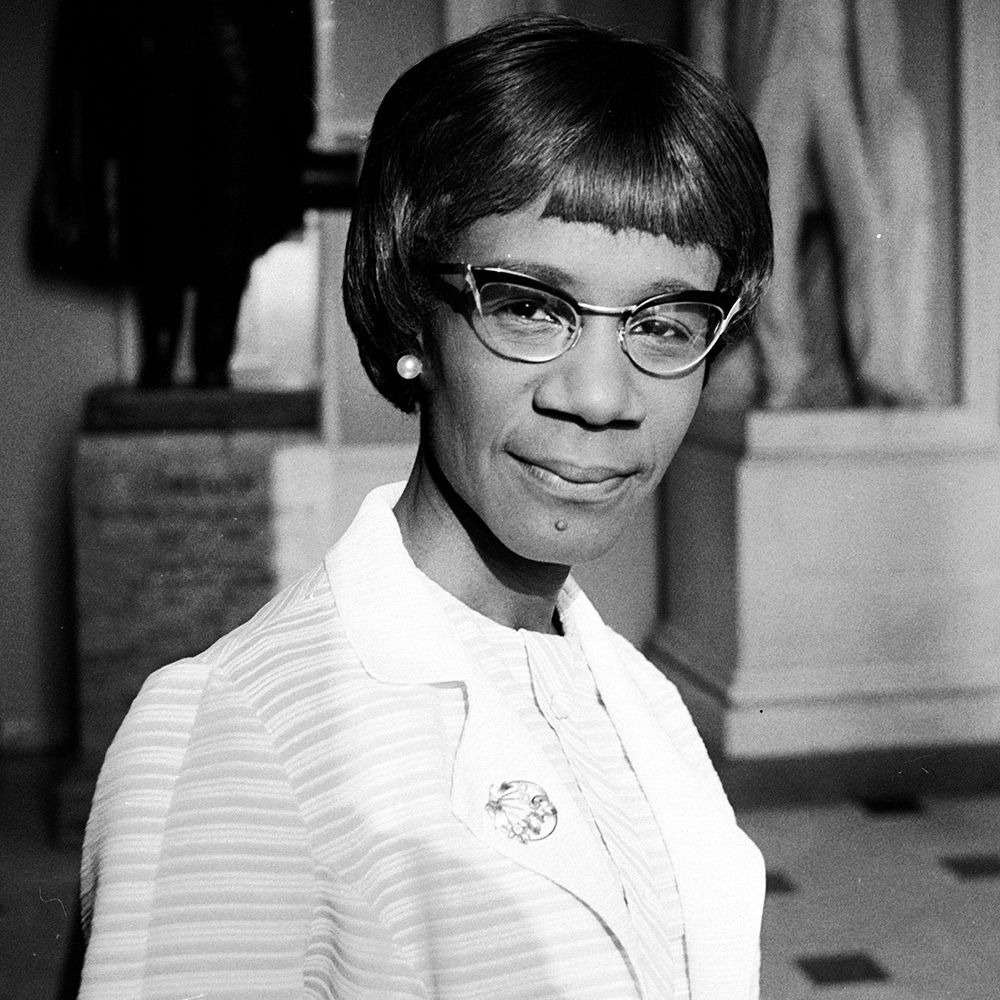
Born on November 30, 1924, in Brooklyn, Shirley was the daughter of immigrants from Barbados. With her parents working long hours, five-year-old Shirley and her two sisters were sent to live with their maternal grandmother and aunt in Barbados. She returned to New York in 1934, armed with a West Indian accent she would carry her entire life and an education that, she believed, was foundational to her career. After graduating from a girls’ high school in 1942, Chisholm went on to Brooklyn College, graduating with honors in 1946. While there, she earned numerous awards for her debate skills and as a member of the Harriet Tubman Society, which championed inclusivity.
A pivotal moment occurred during a lecture by New York political leader Stanley Steingut, who told a Black association that they could only advance under the guidance of white people. This statement infuriated Chisholm, and she vowed to prove him wrong. It’s also important to note that Shirley’s introduction to politics began at home. Her father was a factory worker and a committed union activist, and both of her parents were supporters of Jamaican political activist Marcus Garvey.
In 1951, Chisholm earned her master’s degree in early childhood education from Columbia University and became an elementary school teacher. Recognizing the deep-seated issues of racial and gender inequality, Shirley became an outspoken advocate for civil and women’s rights, fighting for the interests of the poor and openly opposing the Vietnam War. At 29, she became an educational consultant for the New York City Bureau of Child Care, but politics were never far from her mind. In 1953, she joined forces with Wesley Holder to help elect Lewis Flagg Jr. as Brooklyn’s first Black judge. Eventually, Shirley became a member of the newly formed Unity Democratic Club (UDC), campaigning for Thomas R. Jones, who became Brooklyn’s second Black Assembly member in 1962. Two years later, when Jones accepted a judicial appointment, Chisholm decided to run for his seat.
From State Assembly to Congress
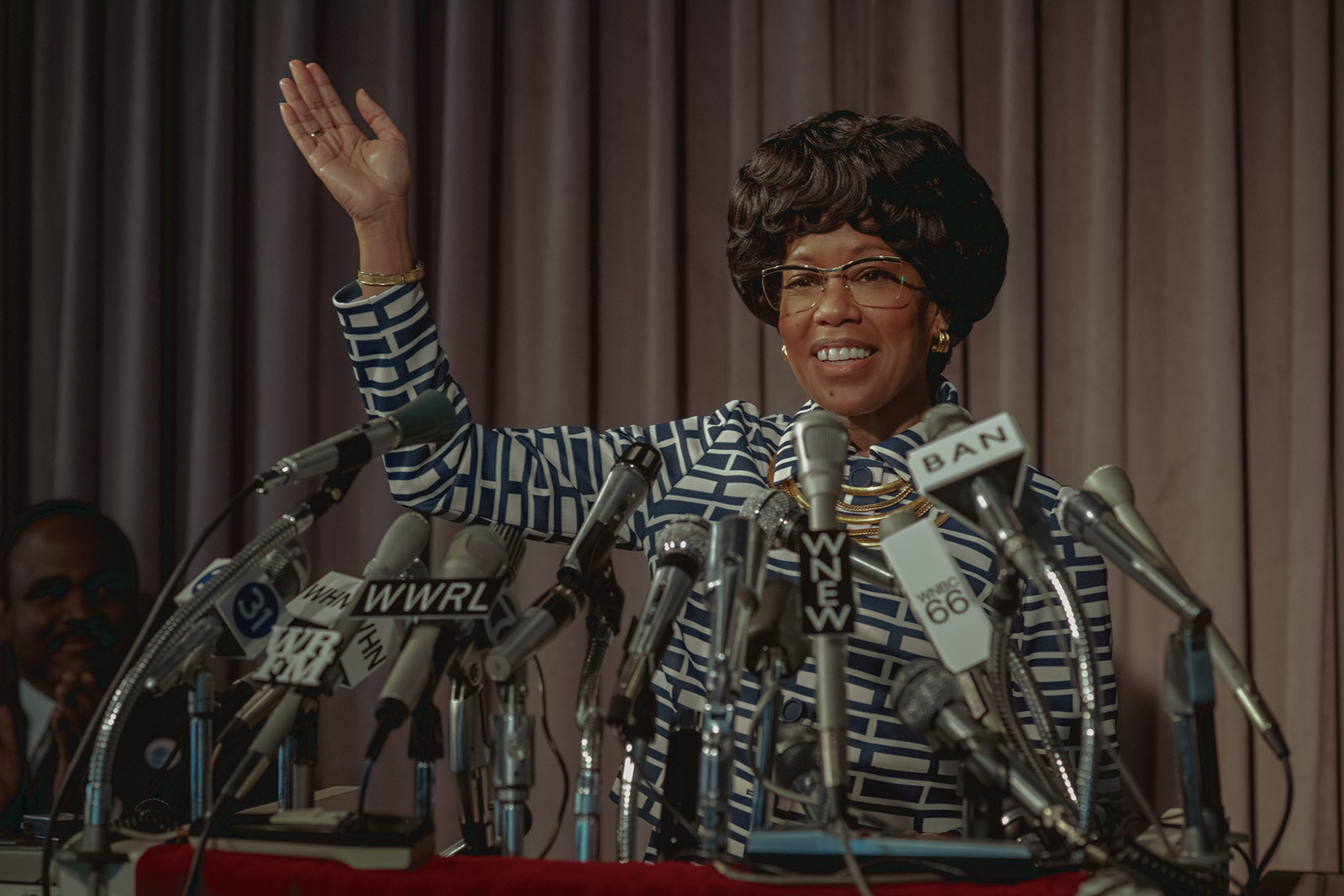
Chisholm became the second Black woman in the New York State Legislature. The path was far from easy, as she faced considerable resistance during her campaign for the New York State Assembly seat. However, the obstacles were not due to her gender, but her race.
In 1968, Chisholm made history as the first Black woman in Congress, beginning her first of seven terms in the House of Representatives. She ran to represent New York’s 12th Congressional District, and after winning the Democratic primary against state Senator William S. Thompson and labor leader Dolly Robertson, she faced off against the well-known Liberal Party candidate James Farmer, a prominent civil rights leader from the 1960s. Shirley emerged victorious, winning by a two-to-one margin.
Her struggles continued in Congress. She was initially appointed to the House Agriculture Committee, a position that seemed completely out of sync with the needs of her urban constituents in struggling areas of New York. However, Chisholm made the best of the assignment, using it as a tool to help poor Americans. She worked to expand the nation’s food stamp program and played a key role in creating the Special Supplemental Nutrition Program for Women, Infants, and Children (WIC). Upon learning she was to be transferred to the Rural Development and Forestry Subcommittee, Shirley spoke out against it and secured a transfer to the Veterans’ Affairs Committee, arguing its greater relevance and famously stating that there were far more veterans in her district than trees.
A Historic Presidential Run
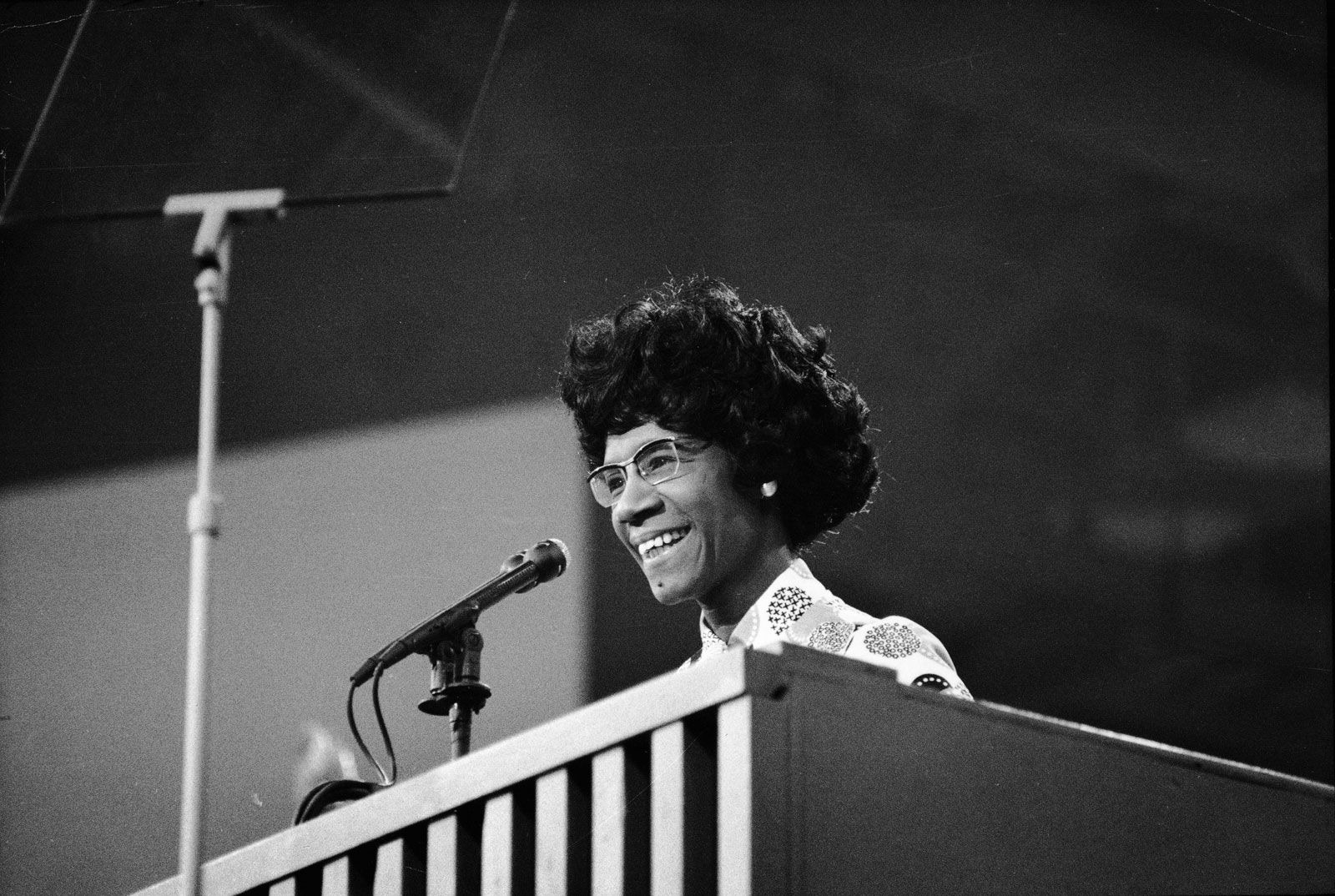
Chisholm became the first Black woman in America to run for president. On January 25, 1972, at the humble Concord Baptist Church in Brooklyn, she announced her intention to run for the U.S. presidency. She told reporters that she was the candidate for the Black people of America and was proud of her heritage. Chisholm also noted that her candidacy symbolized a new era in the country’s political history.
During her campaign, she faced significant opposition and battled discrimination and rivals within the Democratic Party. Throughout her political career, Shirley received three death threats. The majority of the Democratic political establishment ignored her, viewing her candidacy as a symbolic gesture rather than a serious campaign. She was barred from participating in televised primary debates and only allowed to give a single speech after filing a lawsuit. She also received little support from her male colleagues, later stating that they felt she was trying to take their power away. According to Chisholm, Black men needed to move forward, but that didn’t mean Black women should have to step back. Shirley also encountered sexism throughout her campaign.
Ultimately, her chances of winning the presidential election were slim. In addition to discrimination and opposition, Chisholm also had the least financial support among the Democratic candidates. Her campaign expenses totaled only $300,000. Despite this, she achieved remarkable results, finishing fourth out of 15 Democratic candidates in delegate votes at the Democratic National Convention and seventh in the primaries. She also made significant strides in uniting women of all races from numerous liberal groups. As the politician herself said, she ran despite the hopeless odds to demonstrate her strong will and her rejection of the status quo.
Her political career didn’t end with her presidential bid. Chisholm remained in Congress for another 10 years, during which she worked to improve opportunities for inner-city residents and land rights for Native Americans, fought against discrimination toward women, and advocated for the Equal Rights Amendment.
Life After Congress and Her Legacy
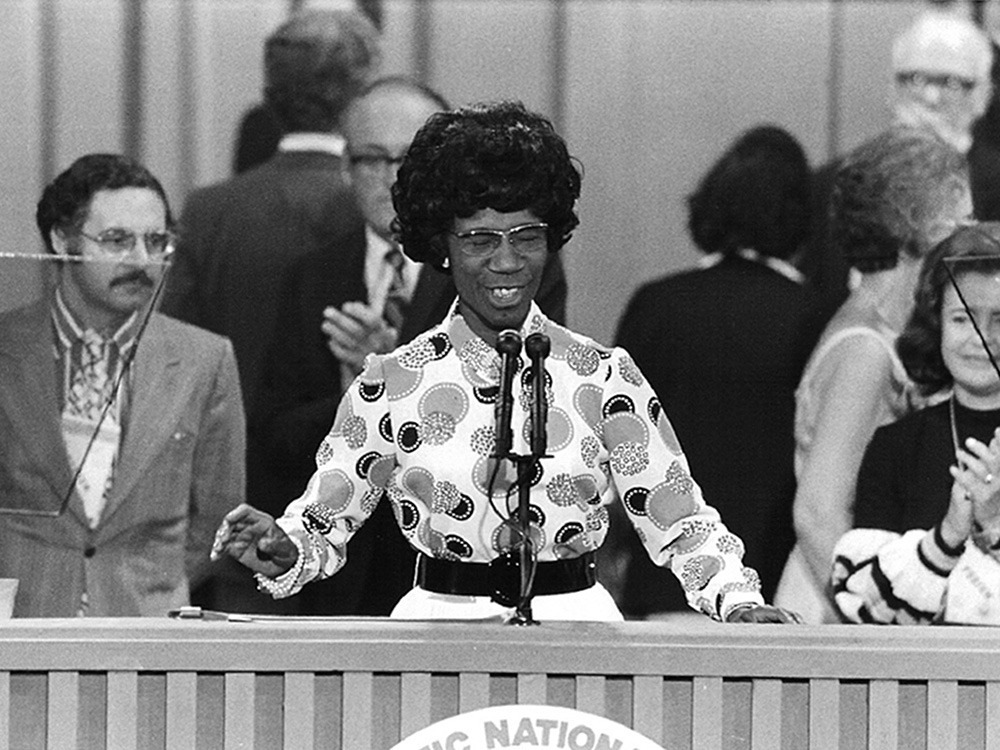
After leaving Congress in 1983, Shirley returned to education, becoming the chair of Mount Holyoke College, but she never lost her connection to progressive politics. She participated in Jesse Jackson’s presidential campaigns in 1984 and 1988, and in 1990, along with 15 other Black women and men, she founded the organization “African American Women for Reproductive Freedom.”
On January 1, 2005, after a year-long battle with illness, Shirley Chisholm passed away. In the years since her death, her influence on U.S. politics has become more widely recognized. In popular culture, she has been the subject of several documentaries and biographies, and her life is also depicted in the new soul and funk-style musical Chisholm for President. Many female politicians call Shirley their inspiration, as did former President Barack Obama, who posthumously awarded Shirley Chisholm the Presidential Medal of Freedom in 2015.