

In a small chapel on Upper Manhattan, overlooking the Hudson River, lie the remains of Mother Francesca Cabrini. The saint acquired this land in 1899, and today, it draws a great number of pilgrims from all over the country. Visitors pray before the white marble altar and pay tribute to a woman who earned the admiration and respect of all faiths through her tireless work for humanity.
Mother Cabrini was a delicate, petite Italian nun whose missionary zeal led her into the mines of Colorado and into places where even the police were afraid to go. Join us on manhattanka.com as we dive deeper into the life and work of this remarkable saint.
Francesca Cabrini’s Early Years
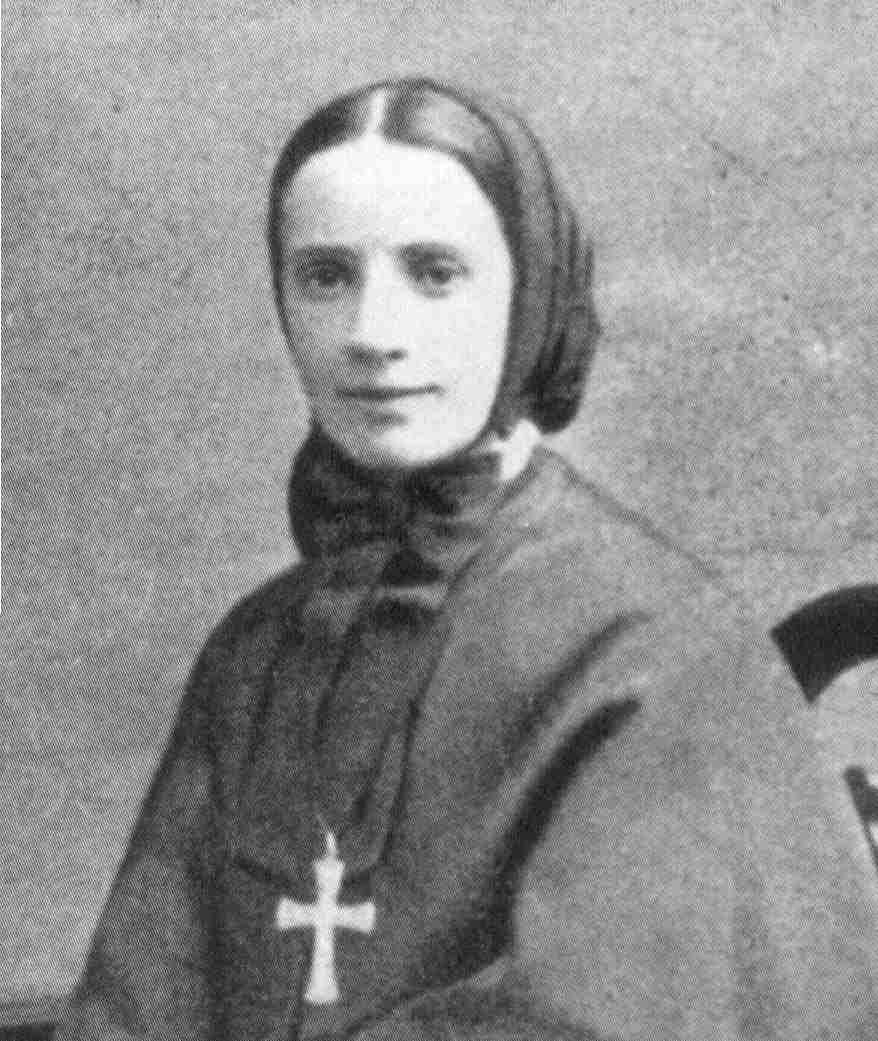
Francesca Cabrini was one of 13 children born into a conservative, middle-class farming family in Sant’Angelo. Legend has it that she was born in the summer of 1850 to farmer Agostino Cabrini, the same day a flock of white doves—a rare sight in the region—flew over his barn. As she grew older, her golden curls drew so much attention that her older sister would regularly oil them. From a very young age, Francesca was devout. Her favorite dolls were nuns, and it wasn’t long before she decided to become one herself, taking a vow of chastity at 14 and reaffirming it before her 20th birthday.
At the time, two orders had rejected her due to her frail health, but Francesca never lost sight of her goal. While teaching catechism to rural children, she also did social work for families and worked as a school teacher in Vidardo. Eventually, she became the headmistress of an orphanage in Codogno. At the urging of Pope Leo XIII, she later embarked on a mission to the West, where she accomplished an incredible amount of work in America.
In the dense forests of the Northwest, Cabrini opened a church and sent her sisters by ferry to find workers in logging camps. In the Rocky Mountains, she brought spiritual guidance to miners. In New Orleans, she rented three rooms in a house with Black families and opened a school. There, her sisters, who had begged for alms on their journey south, helped fight a yellow fever epidemic.
The Saint’s Miracles
The sanctity of Sister Cabrini became apparent to her followers only after her death, as reports of numerous miracles attributed to her divine intercession poured in from all over the world. These reports were so compelling that they initiated the movement for her canonization. According to church law, this process can only begin 50 years after a candidate’s death. However, in Sister Cabrini’s case, the Vatican waived this requirement, citing the need for strong spiritual currents in the modern world. In 1937, Cabrini was declared venerable, and in 1938, she was beatified and accredited by the church.
Soon after her death, several people were convinced of her sainthood and divine intercession. One of them was Peter Smith from New York, a former sergeant who served in Okinawa. In 1921, at a Chicago hospital where Peter was born, a nurse accidentally washed his eyes with a 50% solution of silver nitrate instead of the usual 1%. The baby went blind and, after inhaling acid, contracted pneumonia. Doctors gave up on him, but the hospital’s mother superior attached a relic of Mother Cabrini to the boy’s shirt and, along with other sisters, prayed all night. The next morning, the boy’s condition improved, and within 72 hours, his sight returned.
The second miracle occurred with Sister Delfina Grazioli, who had undergone four surgeries for stomach cancer. Doctors gave her no guarantee of survival. The nuns performed the last rites, after which, according to church authorities, Mother Cabrini appeared to her in a vision and instructed her to eat a good meal. Sister Delfina testified eight years later that after this meal, her strength returned, and she was never again afflicted by cancer.
These miracles were recognized by the church only after an investigation by the Congregation of Sacred Rites in Rome. Witnesses from the farthest corners of the world were brought to the church body and interrogated. Their testimonies were recorded and translated into three languages, and many editions were published. The investigation lasted more than 10 years. It’s estimated that Mother Cabrini’s devotees spent more than $1,000,000 on the campaign for her recognition.
Cabrini’s Humility, Simplicity, and Kindness
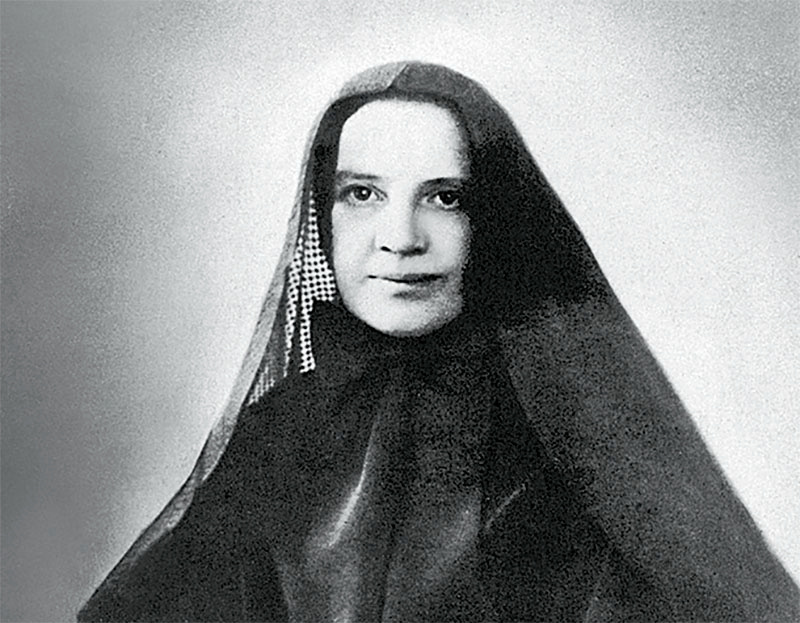
During her life, Mother Cabrini was so humble in her religious practice that she never carried a prayer book on her travels or had a personal spiritual advisor. As a novice, she slept on planks, but she soon abandoned such physical suffering, believing that diligence in small matters was the path to sanctity. Indeed, any display of devout affectation annoyed her. She expected her sisters to have a robust, energetic, and strong spirituality, so she demanded only sincere and devoted observance of the rites. Above all, she asked for humility, simplicity, and obedience. The nun herself constantly exercised prudence and simplicity. When walking down a street in a city she had never visited before, Cabrini told the nun accompanying her that if they met a stranger, she should not address her as “Mother” but simply as “Sister.”
Similar humility was evident in other situations. Cabrini said she didn’t want any of her daughters to take on duties that she would personally refuse. As a brilliant mother superior, the woman could have been exempt from routine duties, but she never shied away from them.
On one occasion, the Archbishop of Rio de Janeiro found Cabrini with a broom and a rag in her hands. Pretending not to recognize her, he asked for the mother superior to be summoned. She bowed, pointed to the living room, and soon returned without the broom and apron. By accepting novices of all nationalities, Mother Cabrini assembled an army of 4,000 women and founded 67 institutions in 67 years, including schools, colleges, academies, and hospitals. As the founding mother of the Missionary Sisters of the Sacred Heart, she possessed a talent for achieving her goals, a keen business sense, and incredible self-confidence. Cabrini also founded and managed several businesses, and as Pope Leo XIII noted, she had true holiness and a great mind. These qualities allowed her to always act with confidence and speed, and they also made her stubborn, shrewd, and courageous.
Cabrini never once doubted the outcome of any of her endeavors. While frugal with her order’s funds, she was generous in her compassion. She could always be trusted with any secret. Mother Cabrini took a personal interest in everyone who sought her help. Her gentleness was matched by a charm that few could resist. Starting her work on the Lower East Side, Mother Cabrini expanded her reach throughout all of America.
Arrival in New York and Good Deeds
On March 30, 1889, Cabrini arrived in New York with a group of five sisters. Cabrini and the sisters spent their first night in America in a back room on the outskirts of Chinatown, which was filled with mice and parasites. Hoping to find a monastery willing to accept her and her small order, the next day, the Mother called Archbishop Michael Corrigan of New York, who flatly refused to help her.
Cabrini didn’t give up and managed to stay in Manhattan. She soon opened an embroidery school to teach teenage girls a trade. In several empty stores, the nun organized a kindergarten to keep 400 children from the slums off the streets. With $250 in her pocket, enough to pay a month’s rent and buy 10 beds, Cabrini opened a hospital in two adjoining buildings on 12th Avenue.
It is important to note that Francesca’s real estate investments amounted to millions, largely thanks to her intuition, which allowed her to predict the direction in which New York would develop.
Later Life
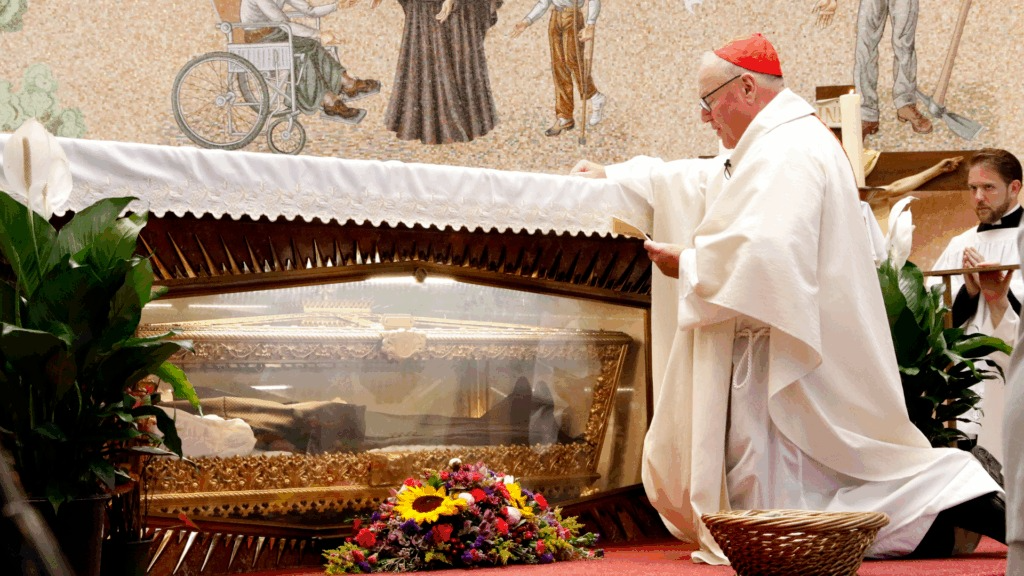
Even in her 60s, Mother Cabrini remained active, whitewashing the exterior walls of the orphanage and buying several farms outside Chicago to provide food for her hospitals. Soon her health began to deteriorate, and she considered retirement. Without the knowledge of the mother superior general, the sisters of her order in America and Europe held a plebiscite. In her final years, Cabrini was tormented by fevers and pain. While in Brazil, she contracted malaria while caring for three of her sisters who had smallpox. In 1917, while packing presents for 500 children at a Chicago hospital, Cabrini died.
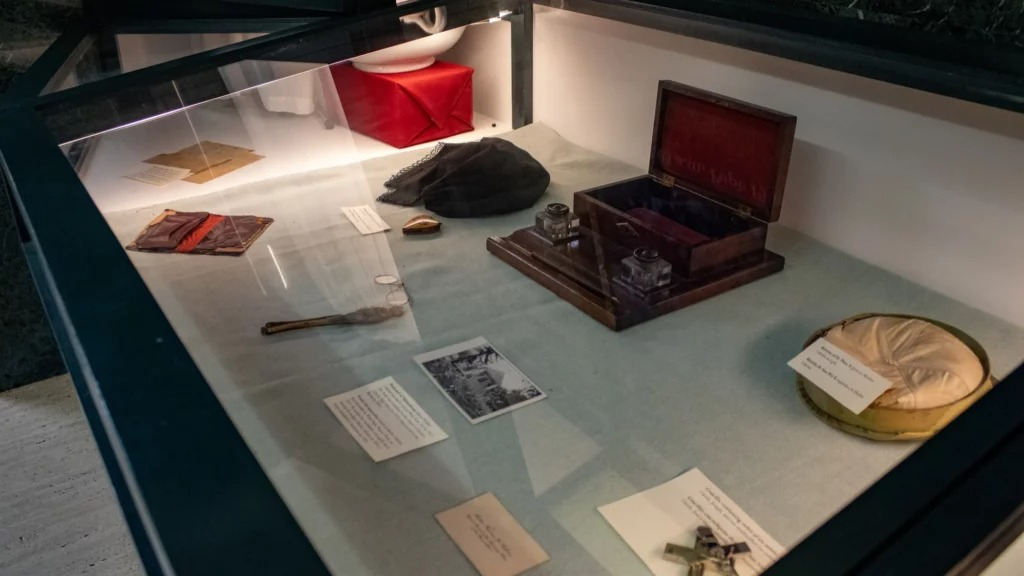
The nun’s body was transported by train to New York and buried on the grounds of the Sacred Heart Orphanage. In 1930, a high school named after Mother Cabrini opened at 701 Fort Washington Avenue, and in 1933, her remains were moved to the school’s chapel. In 1938, after her beatification, the saint’s relics were placed in a glass reliquary under the school’s altar.
In 1946, a separate building was built next to the school. Construction of the shrine was completed in 1959, and after the altar was consecrated, Mother Cabrini’s remains were moved there.